
Best Piles Doctor in Pune
Advanced & Painless Treatment Options
Piles, also known as hemorrhoids, are swollen veins in the lower rectum or anus that can cause discomfort, pain, itching, and bleeding during bowel movements. Although piles are a common condition, many people delay seeking medical care due to hesitation or lack of awareness. However, early diagnosis and appropriate treatment can help prevent complications and provide long-term relief.
If you are looking for the best piles doctor in Pune, consulting an experienced specialist is important for accurate diagnosis and effective treatment. Many patients searching online for a general surgeon near me prefer doctors who offer modern treatment options and a patient-focused approach.
Dr. Mangesh Yadav is an experienced general surgeon practicing in Hadapsar, Pune, who provides advanced treatment for piles and other anorectal conditions. With more than 15 years of surgical experience, he offers both non-surgical and minimally invasive treatment options depending on the severity of the condition.
What Are Piles (Hemorrhoids)?
Piles are enlarged or swollen blood vessels in the rectal or anal region. They develop due to increased pressure in the lower rectum and can occur either inside the rectum (internal piles) or around the anal opening (external piles).
While piles are usually not life-threatening, they can significantly affect daily comfort and quality of life if not treated properly. Early consultation with a qualified piles doctor in Pune can help manage symptoms effectively and prevent the condition from worsening.
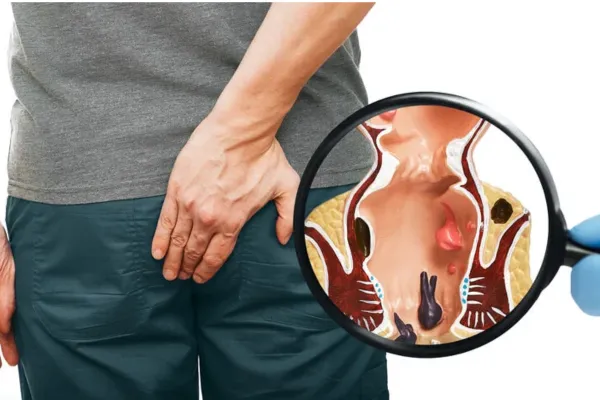
Symptoms of Piles
Symptoms may vary depending on severity.
Consult a general surgeon near you if you notice:
- Bleeding during or after passing stool
- Pain or burning sensation while sitting
- Pain or burning sensation while sitting
- Itching or irritation
- Difficulty or discomfort during bowel movements
- Feeling of incomplete evacuation
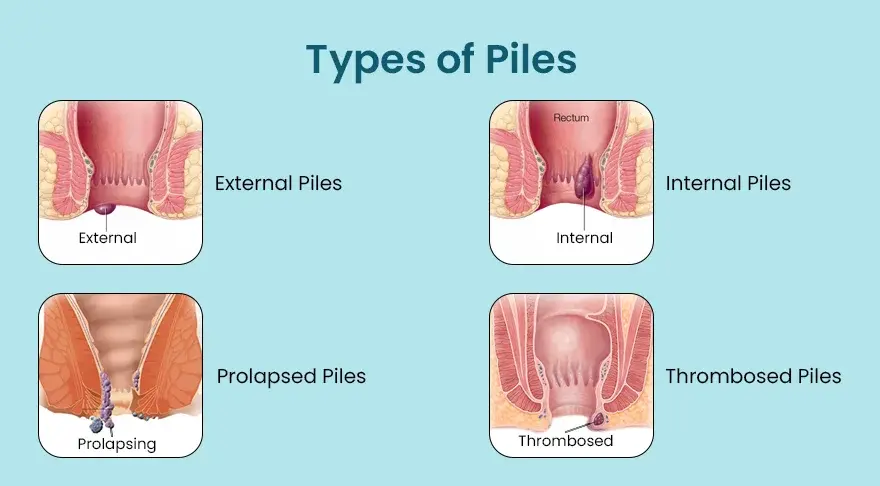
Types of Piles
Develop inside the rectum and may cause painless bleeding during bowel movements.
External Piles
Form outside the anus and can cause pain, swelling, and discomfort while sitting.
Prolapsed Piles
Internal piles that protrude outside the anus and may require manual repositioning.
Thrombosed Piles
Clotted piles that cause severe pain and swelling.
Causes and risk factors
Several lifestyle and medical factors can contribute to the development of piles.
Common causes include:
- Chronic constipation
- Straining during bowel movements
- Sitting for long periods
- Low-fiber diet
- Obesity
- Pregnancy
- Lack of physical activity
- Aging and weakened tissues
Improving lifestyle habits along with proper medical treatment can help reduce symptoms and lower the risk of recurrence.
diagnosis for Piles
Diagnosis of piles usually involves a clinical examination by an experienced surgeon. In certain cases, additional tests may be recommended to evaluate the severity of the condition and rule out other problems.
Diagnostic methods may include:
- Physical examination
- Proctoscopy
- Anoscopy
- Colonoscopy (in specific situations)
Accurate diagnosis helps determine the most effective treatment approach.
PILES TREATMENT OPTION
Treatment for piles depends on the severity of symptoms and the stage of the condition.
Lifestyle and Medical Treatment
In early stages, piles can often be managed with simple lifestyle changes and medications, including:
- High-fiber diet
- Increased water intake
- Stool softeners
- Medications to reduce swelling and pain
- Avoiding prolonged sitting
Minimally Invasive Procedures
For moderate piles, minimally invasive procedures may be recommended. These treatments are typically quick and allow faster recovery.
Surgical Treatment
In advanced cases, surgery may be necessary to remove or reduce hemorrhoids. Modern surgical techniques focus on minimizing pain and ensuring quicker healing.
Consulting an experienced piles doctor in Pune can help determine whether medical treatment or surgery is the most suitable option.
Benefits of Advanced Piles Surgery
Diagnosis of piles usually involves a clinical examination by an experienced surgeon. In certain cases, additional tests may be recommended to evaluate the severity of the condition and rule out other problems.
Diagnostic methods may include:
- Physical examination
- Proctoscopy
- Anoscopy
- Colonoscopy (in specific situations)
Accurate diagnosis helps determine the most effective treatment approach.
- Minimal pain
- Less bleeding
- Short hospital stay
- Faster return to daily routine
- Lower risk of recurrence
Recovery After Piles Surgery
- Recovery is generally quick, especially with minimally invasive procedures.
- Patients are advised to maintain a fiber-rich diet, stay hydrated, and avoid prolonged sitting.
- Mild discomfort may occur initially but is manageable with medication.
- Most individuals resume normal activities within a few days to a week, depending on the type of procedure performed.
Why Choose Dr. Mangesh Yadav for Piles Surgery?
Patients searching for the best general surgeon in Pune choose Dr. Mangesh Yadav because of:
- Extensive experience in hernia repair
- Expertise in robotic surgeries
- Use of advanced surgical mesh technology
- Personalized treatment planning
- High success rates
- Comprehensive pre- and post-operative care
If you are searching for a trusted Piles Specialist in Hadapsar Pune, consulting Dr. Mangesh Yadav ensures comprehensive evaluation, advanced surgical care, and personalized treatment for long-lasting relief.
Tips to Prevent Piles Recurrence
Ignoring piles symptoms can lead to complications such as anemia due to chronic blood loss, thrombosis, infection, or severe pain. Early consultation helps determine the correct treatment plan and avoids emergency situations.
An experienced surgeon carefully evaluates the condition, explains treatment options, and recommends the most suitable procedure based on the grade of piles.
Frequently Asked Questions (FAQ'S)
What is the most effective treatment for piles?
Laser piles surgery and minimally invasive hemorrhoid treatment are considered highly effective for moderate to severe cases. The best treatment depends on the grade of piles and patient condition.
Is laser treatment for piles safe?
Yes, laser piles treatment is a safe and advanced procedure that involves minimal pain, less bleeding, and faster recovery compared to traditional surgery.
How long does piles surgery take?
Most minimally invasive piles surgeries take about 30 to 60 minutes and are often performed as day-care procedures.
What is the recovery time after piles surgery?
Recovery after laser or minimally invasive piles surgery is usually quick. Most patients return to normal activities within a few days to a week.
Can piles be treated without surgery?
In early stages, piles can be managed with medications, fiber-rich diet, hydration, and lifestyle changes. However, advanced piles may require surgical intervention.