
Anorectal Disorders Treatment in Pune
Comprehensive and Minimally Invasive Care for Rectal and Anal Conditions
Anorectal disorders are common health problems that affect the anal and rectal region, often causing pain, bleeding, swelling, itching, or difficulty during bowel movements. Although these conditions are widespread, many patients delay seeking treatment due to discomfort or hesitation, which can worsen symptoms over time.
With modern medical advancements, most anorectal problems can now be treated safely and comfortably using minimally invasive and laser techniques.
If you are searching for an anorectal specialist in Pune, piles fissure fistula doctor near me, or a trusted general surgeon in Hadapsar, consult Dr. Mangesh Yadav, an experienced Robotic surgeon providing advanced and painless treatment options.
What Are Anorectal Disorders?
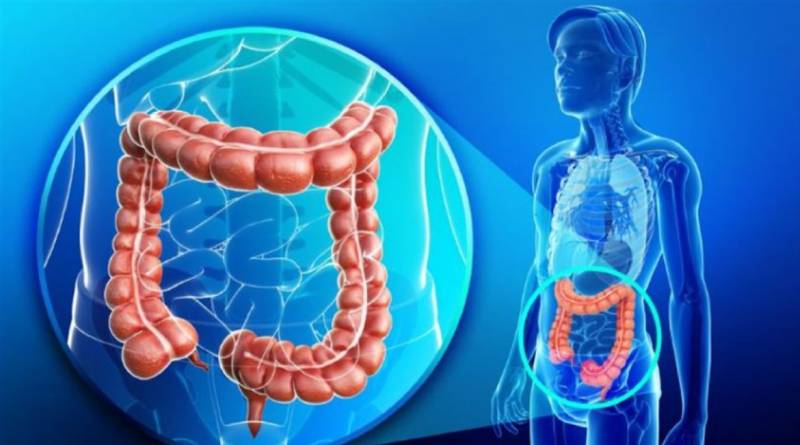
Anorectal disorders refer to medical conditions affecting the anus and rectum. These issues may arise due to constipation, infection, prolonged sitting, straining, or lifestyle factors.
While some conditions are mild and manageable with medication, others may require minor or surgical procedures for permanent relief.
Early diagnosis ensures faster recovery and prevents complications.
Symptoms
Consult a general surgeon near you if you experience:
- Pain during or after passing stool
- Bleeding from the anus
- Swelling or lump near the anus
- Discharge of pus or mucus
- Difficulty sitting comfortably
- Chronic constipation
- Chronic constipation
Feeling of incomplete bowel evacuation
Types of Anorectal Disorders
Several conditions fall under anorectal disorders, including:
- Piles (Hemorrhoids) – Swollen veins in the rectal area causing bleeding and discomfort.
- Anal Fissure – A small tear in the anal lining that leads to sharp pain during bowel movements.
- Anal Fistula – An abnormal tunnel between the anal canal and skin, often due to infection.
- Perianal Abscess – A painful collection of pus near the anus.
- Rectal Prolapse – A condition where part of the rectum protrudes outside the anus.
Each condition requires accurate diagnosis and a tailored treatment plan.
Diagnosis
Accurate diagnosis is essential for effective treatment.
Evaluation may include:
- Clinical examination
- Rectal assessment
- Proctoscopy
- Imaging when required
- Assessment of severity and symptoms
This helps determine whether medication or surgery is required.
Types of Anorectal Disorders
Treatment depends on the severity and type of anorectal disorder.
1. Conservative Management
In early stages, conditions like mild piles or fissures can be managed with dietary modifications, increased fiber intake, hydration, stool softeners, and topical medications. Sitz baths are often recommended to relieve pain and promote healing.
2. Minimally Invasive Surgical Treatment
For moderate to severe cases, surgical intervention may be necessary.
Laser treatment is commonly used for piles and fistula with reduced pain and faster recovery.
Lateral internal sphincterotomy is effective for chronic fissures.
Fistulotomy or seton placement is used for anal fistula management.
These procedures are designed to minimize tissue damage while ensuring long-term results.
Benefits
- Less pain and bleeding
- Smaller incisions
- Short hospital stay
- Faster recovery
- Lower risk of wound infection

Recovery AfterTreatment
Post-treatment care includes maintaining proper hygiene, following a fiber-rich diet, staying hydrated, and avoiding constipation. Regular follow-up ensures proper healing and prevents recurrence.
Why Choose Dr. Mangesh Yadav for Fissure Surgery?
Patients searching for the best general surgeon in Pune choose Dr. Mangesh Yadav because of:
- Extensive experience in anorectal disorders
• Expertise in advanced laser techniques - Use of advanced surgical mesh technology
- Personalized treatment planning
- High success rates
- Comprehensive pre- and post-operative care
Frequently Asked Questions (FAQ'S)
What are the common symptoms of anorectal disorders?
Common symptoms include rectal bleeding, anal pain, swelling near the anus, itching, discharge, and discomfort during bowel movements.
Can anorectal disorders be treated without surgery?
Mild cases of piles or fissures can often be managed with medications, high-fiber diet, hydration, and lifestyle changes. Advanced cases may require minimally invasive surgery.
What is laser treatment for piles and fistula?
Laser treatment is a minimally invasive procedure used to treat hemorrhoids and anal fistula with less pain, minimal bleeding, and faster recovery compared to traditional surgery.
What is the best treatment for chronic anal fissure?
Chronic constipation, low-fiber diet, prolonged sitting, poor hygiene, and delayed treatment can contribute to recurring anorectal conditions.
Is anal fissure surgery painful?
Modern anal fissure surgery is minimally invasive and performed under anesthesia. Post-operative pain is usually mild and manageable with medication.