
Anal Fistula Treatment in Hadapsar Pune
Advanced, Minimally Invasive Care for Fistula Treatment
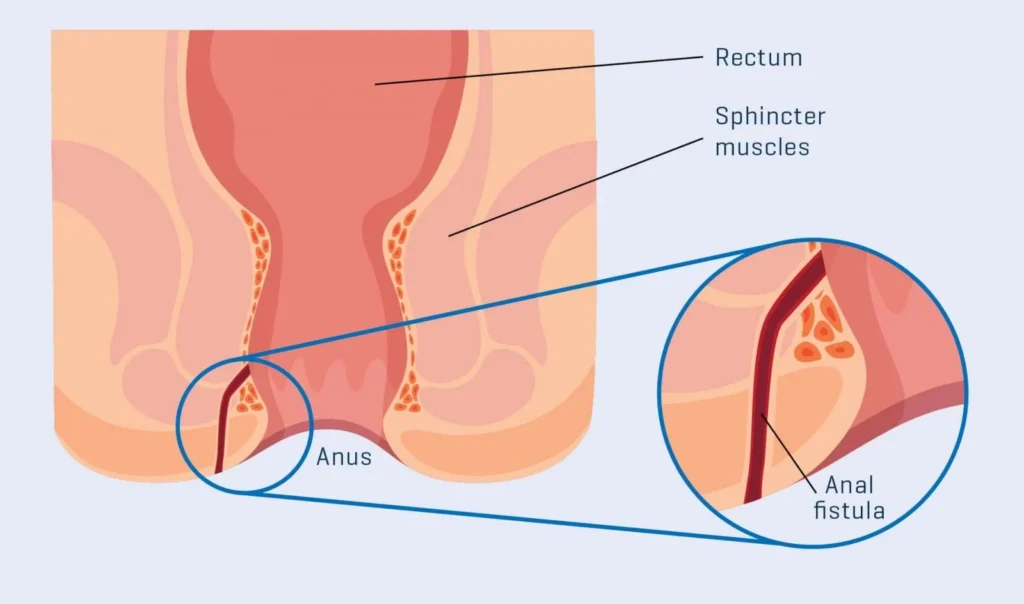
An anal fistula is an abnormal tunnel that forms between the anal canal and the skin around the anus. It usually develops as a result of an untreated anal abscess, where infection leads to pus collection and creates a passageway to the outer skin. Anal fistula can cause persistent pain, swelling, pus discharge, irritation, and recurrent infections if not treated properly.
Unlike minor anorectal conditions, an anal fistula does not heal on its own and typically requires surgical treatment for complete and permanent relief.
What Is an Anal Fistula?
An anal fistula is an abnormal tunnel or infected tract that forms between the anal canal and the skin around the anus. It usually develops after an abscess or infection.
Unlike fissures, fistulas rarely heal without surgery and may cause repeated infection.
Symptoms of Anal Fistula
- Persistent pain around the anus
- Swelling or lump
- Pus or discharge
- Bad odor
- Recurrent abscess
Early diagnosis is important to prevent repeated infections and complications.
Causes
- Previous anal abscess
- Infection of anal glands
- Crohn’s disease
- Trauma or surgery
- Poor healing of infected tissue
Treatment for Anal Fistula
Surgery is the primary treatment for anal fistula. The type of procedure depends on the location and complexity of the fistula tract.
1. Fistulotomy
Fistulotomy is the most common and effective treatment for simple fistulas. In this procedure, the fistula tract is carefully opened and cleaned to allow proper healing from inside out. It offers high success rates for uncomplicated cases.
2. Seton Placement
In complex or high-risk fistulas, a seton (a surgical thread) may be placed in the fistula tract to allow controlled drainage and gradual healing while protecting the anal sphincter muscles.
3. Advanced Minimally Invasive Techniques
Modern techniques such as laser fistula treatment or other sphincter-saving procedures are designed to treat the fistula with minimal damage to surrounding tissues. These methods reduce post-operative pain and promote faster recovery.
Benefits
- Effective removal of infection source
- Reduced risk of recurrence
- Minimal damage to sphincter muscles
- Short hospital stay
- Faster return to daily routine

Recovery After Anal Fistula Treatment
Recovery depends on the complexity of the fistula and the type of procedure performed. Most patients can resume light activities within a few days. Proper wound care, hygiene, and dietary adjustments are important to ensure smooth healing.
Regular follow-up visits help monitor progress and reduce the risk of recurrence.
Why Choose Dr. Mangesh Yadav for Fistula Surgery?
Patients searching for the best general surgeon in Pune choose Dr. Mangesh Yadav because of:
- Extensive experience in hernia repair
- Expertise in robotic surgeries
- Use of advanced surgical mesh technology
- Personalized treatment planning
- High success rates
- Comprehensive pre- and post-operative care
Why Early Treatment is Important
Ignoring anal fistula symptoms can lead to recurrent abscesses, persistent infection, and discomfort. Early consultation ensures accurate diagnosis and timely surgical management, preventing long-term complications.
Under the care of an experienced general surgeon like Dr. Mangesh Yadav, anal fistula treatment is performed using safe, advanced techniques that focus on long-term healing and patient comfort.
Frequently Asked Questions (FAQ'S)
Can an anal fistula heal without surgery?
No, anal fistulas usually do not heal on their own. Surgical treatment is required to remove the infected tract and prevent recurrence.
What is the best treatment for anal fistula?
Fistulotomy is considered the most effective treatment for simple anal fistulas. For complex cases, advanced procedures like seton placement or laser fistula surgery may be recommended.
Is laser treatment for anal fistula safe?
Yes, laser anal fistula treatment is a minimally invasive and safe option that reduces pain, bleeding, and recovery time compared to traditional surgery.
How long does anal fistula surgery take?
Anal fistula surgery typically takes 30 to 60 minutes, depending on the complexity and type of procedure performed.
What is the recovery time after fistula surgery?
Most patients recover within 1–2 weeks after minimally invasive fistula treatment. Complete healing may take a few weeks depending on the case.