
Anal Fissure Treatment in Hadapsar Pune
Advanced, Minimally Invasive Care for Anorectal Disorders
Persistent anal pain, bleeding during bowel movements, or pus discharge can be signs of fissure or fistula — two common but often uncomfortable anorectal conditions. Many patients delay treatment due to hesitation or fear of surgery, which may worsen the problem over time.
With modern laser and minimally invasive techniques, treatment today is safe, quick, and far more comfortable than traditional surgery.
If you are searching for fissure treatment in Pune, fistula doctor near me, or a trusted general surgeon in Pune for anorectal problems, consult Dr. Mangesh Yadav providing precise, painless, and effective care.
What Is an Anal Fissure?
An anal fissure is a small tear in the lining of the anal canal that causes severe pain and bleeding during bowel movements. Although it may seem like a minor issue initially, an untreated fissure can become chronic and significantly affect daily comfort and quality of life. Early consultation and proper treatment are essential to prevent complications and recurring pain.
Anal fissures are commonly caused by chronic constipation, passing hard stools, prolonged diarrhea, straining during bowel movements, or childbirth. The sharp pain experienced during and after passing stool is one of the most characteristic symptoms.
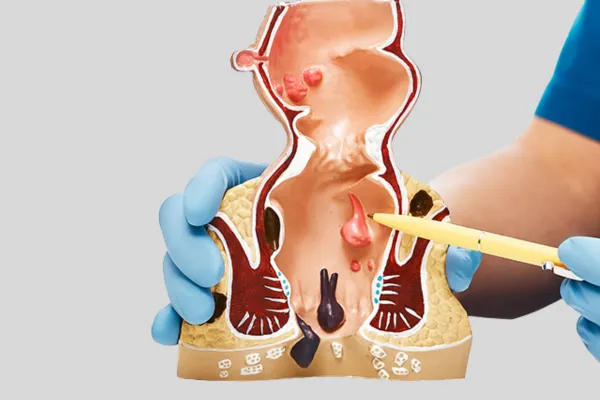
Symptoms of Anal Fissure
- Sharp, burning pain during bowel movements
- Pain that continues for several minutes to hours
- Bright red bleeding on toilet paper
- Muscle spasm in the anal region
If symptoms persist for more than a few weeks, the fissure may become chronic and require medical intervention.
Causes
- Constipation and hard stools
- Straining during bowel movements
- Low-fiber diet
- Dehydration
- Childbirth
- Repeated diarrhea
- Increased anal muscle tightness
Treatment for Anal Fissure
Treatment depends on whether the fissure is acute (recent) or chronic (long-standing).
1. Conservative (Non-Surgical) Treatment
In early stages, anal fissures often heal with non-surgical management. Treatment focuses on reducing pain and preventing constipation.
This includes increasing dietary fiber intake, drinking plenty of fluids, using stool softeners, and taking prescribed topical medications to relax the anal sphincter muscle. Warm sitz baths are also recommended to relieve pain and promote healing.
Most acute fissures improve within a few weeks with proper care.
2. Minimally Invasive Surgical Treatment
If the fissure becomes chronic or does not respond to medication, surgical treatment may be recommended.
Lateral Internal Sphincterotomy (LIS)
LIS is a safe and effective procedure for chronic anal fissures. In this procedure, a small portion of the anal sphincter muscle is carefully released to reduce muscle spasm and allow the fissure to heal.
The surgery is usually performed under anesthesia and takes about 20–30 minutes. It offers long-term relief with high success rates.
Benefits
- Immediate relief from severe pain
- Faster healing of chronic fissures
- Low recurrence rate
- Short procedure time
- Lower risk of wound infection

Recovery After Anal Fissure Treatment
- Recovery is generally smooth.
- Patients are advised to maintain a fiber-rich diet, stay hydrated, and avoid straining during bowel movements.
- Mild discomfort may occur for a few days but improves quickly.
- With proper surgical technique and post-operative care, long-term outcomes are excellent.
Why Choose Dr. Mangesh Yadav for Fissure Surgery?
Patients searching for the best general surgeon in Pune choose Dr. Mangesh Yadav because of:
- Extensive experience in hernia repair
- Expertise in robotic surgeries
- Use of advanced surgical mesh technology
- Personalized treatment planning
- High success rates
- Comprehensive pre- and post-operative care
Why Early Treatment is Important
Ignoring anal fissure symptoms can lead to chronic pain, infection, and repeated tearing of the anal lining. Early evaluation ensures accurate diagnosis and prevents complications.
Consulting an experienced general surgeon like Dr. Mangesh Yadav ensures personalized care, advanced treatment options, and effective long-term relief from anal fissu
Frequently Asked Questions (FAQ'S)
What are the common symptoms of anal fissure?
Symptoms include sharp anal pain while passing stool, burning sensation, bright red bleeding, itching, and sometimes a visible crack near the anus.
What causes chronic anal fissure?
Chronic anal fissure can develop due to repeated constipation, prolonged diarrhea, anal sphincter muscle spasm, or delayed treatment of an acute fissure.
Can anal fissure heal without surgery?
Yes, acute anal fissures often heal with conservative treatment such as fiber-rich diet, stool softeners, sitz baths, and topical medications. Chronic fissures may require surgical intervention.
What is the best treatment for chronic anal fissure?
Yes, gallbladder surgery is a safe and commonly performed procedure when done by an experienced surgeon. Complications are rare, and most patients recover without issues.
Is anal fissure surgery painful?
Modern anal fissure surgery is minimally invasive and performed under anesthesia. Post-operative pain is usually mild and manageable with medication.