
Hernia Treatment in Pune – Symptoms and Treatment Options
Advanced Laparoscopic/Robotic Hernia Treatment for Safe and Faster Recovery
A hernia occurs when an internal organ or tissue pushes through a weak spot in the surrounding muscle or connective tissue. It commonly develops in the abdomen or groin and may appear as a visible bulge that becomes more noticeable while coughing, bending, or lifting heavy objects. Although hernias may initially cause mild discomfort, they do not heal on their own and usually require medical evaluation and surgical treatment.
If you are looking for hernia treatment in Pune, consulting an experienced surgeon is important for accurate diagnosis and effective treatment. Early medical care can help prevent complications and ensure a smoother recovery.
Dr. Mangesh Yadav provides advanced hernia treatment in Hadapsar, Pune, using modern surgical techniques such as laparoscopic and minimally invasive procedures that support faster recovery and reduced post-operative discomfort. Patients from different parts of the city consult him when they need reliable surgical care for hernia repair.
What Is a Hernia?
A hernia develops when a portion of an internal organ, usually the intestine, pushes through a weakened area in the abdominal wall. This can create a visible lump or swelling under the skin.
While hernias may begin with mild symptoms, they can gradually worsen over time and may lead to complications if left untreated. Consulting an experienced general surgeon in Pune can help diagnose the condition early and determine the most appropriate treatment plan.
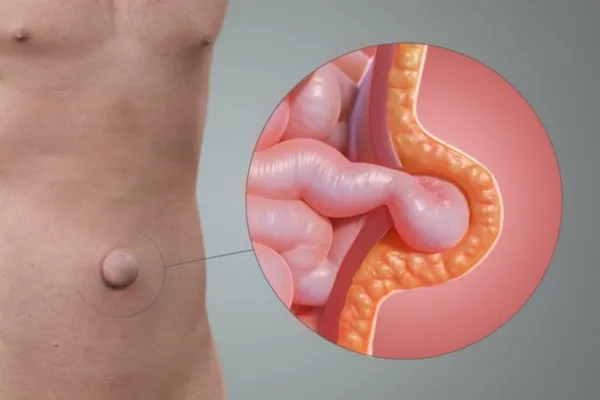
Symptoms of Hernia
- A visible lump or bulge in the abdomen or groin
- Pain or discomfort while lifting, bending, or coughing
- Heaviness or pressure in the abdomen
- Burning or pulling sensation at the swelling site
- Increasing size of the bulge over time
- Nausea or vomiting in severe cases
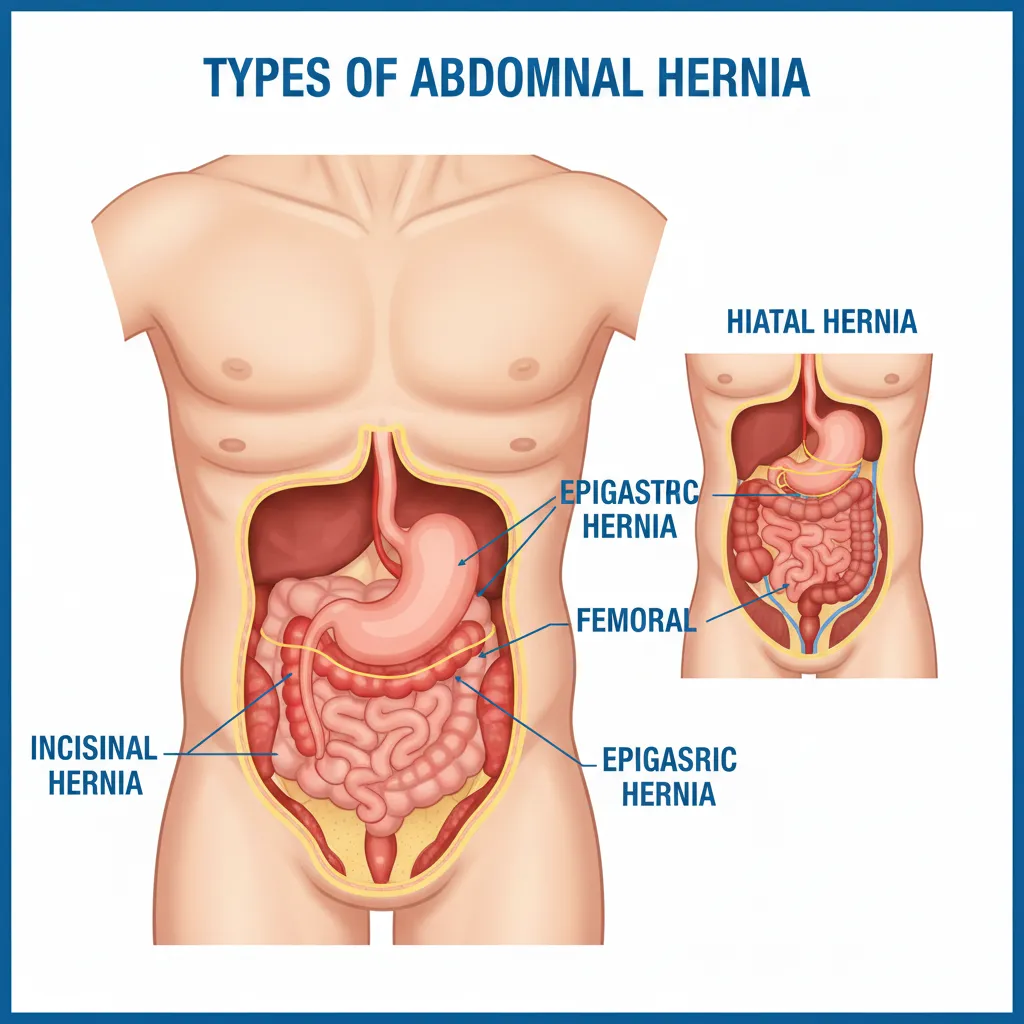
Types of Hernia
Inguinal Hernia
Inguinal Hernia Occurs in the groin region and is more common in men. It may cause swelling and discomfort while walking or lifting.
Umbilical Hernia
Appears near the navel and is commonly seen in adults with abdominal muscle weakness.
Incisional Hernia
Develops at the site of previous abdominal surgery due to weakened scar tissue.
Hiatal Hernia
Occurs when part of the stomach moves into the chest cavity, causing acidity, reflux, or heartburn.
Causes and risk factors
Several factors can increase the likelihood of developing a hernia.
Common causes include:
- Weak abdominal muscles
- Heavy lifting or physical strain
- Chronic coughing
- Obesity
- Constipation and straining during bowel movements
- Previous abdominal surgery
- Aging and muscle weakness
Consulting a qualified general surgeon in Pune early can help identify the condition and prevent complications.
Hernia Diagnosis
Diagnosis of a hernia usually begins with a clinical examination. In some cases, imaging tests may be recommended to confirm the diagnosis and assess the severity of the condition.
Diagnostic methods may include:
- Physical examination
- Ultrasound
- CT scan
- MRI scan
Proper diagnosis helps determine the most effective approach for hernia treatment in Pune.
Hernia Treatment Options
In most cases, the recommended treatment for a hernia is surgery. The goal of hernia surgery is to repair the weakened area of the abdominal wall and prevent the organ from protruding again.
Open Hernia Surgery
In open surgery, the surgeon makes an incision over the affected area and repairs the weakened muscle wall. Surgical mesh is often used to strengthen the repair and reduce the risk of recurrence.
Laparoscopic Hernia Surgery
Laparoscopic surgery is a minimally invasive procedure performed using small incisions and a camera-guided surgical system.
Benefits of laparoscopic hernia surgery include:
- Smaller incisions
- Reduced post-operative pain
- Faster recovery
- Shorter hospital stay
- Minimal scarring
Many patients prefer laparoscopic procedures because they allow a quicker return to normal activities.

Recovery After Hernia Surgery
Recovery is generally smooth with minimally invasive techniques.
- Walking within 24 hours
- Hospital discharge in 1–2 days
- Light activities in 3–5 days
- Return to work in 7–10 days
- Avoid heavy lifting for a few weeks
- Follow-up visits for monitoring healing
Most patients resume normal life quickly without complications.
Why Choose Dr. Mangesh Yadav for Hernia Surgery?
Patients searching for the best hernia surgeon near me choose Dr. Mangesh Yadav because of:
- Extensive experience in hernia repair
- Expertise in robotic surgeries
- Use of advanced surgical mesh technology
- Personalized treatment planning
- High success rates
- Comprehensive pre- and post-operative care
Frequently Asked Questions (FAQ'S)
Can a hernia heal without surgery?
No, a hernia does not heal on its own. While symptoms may temporarily reduce, surgical repair is the only permanent solution to prevent complications.
Is hernia surgery painful?
With modern laparoscopic techniques, pain is usually mild and manageable. Most patients recover quickly and resume normal activities within a short time.
How long does hernia surgery take?
Laparoscopic hernia surgery typically takes about 30 minutes to 1 hour, depending on the type and complexity of the hernia.
Is laparoscopic hernia surgery safe?
Yes, when performed by an experienced surgeon, laparoscopic hernia repair is safe and offers lower risk of complications and faster healing.
Can a hernia come back after surgery?
Recurrence is rare when the repair is done properly with mesh reinforcement. Following post-operative guidelines further reduces the risk.